Digital Translation
The website interface mirrors the physical system. Frames, layer states, and occlusions reflect architectural separation and material opacity.
MONOCHROME · Urban Vineyard
MONOCHROME · Urban Vineyard
Identity sustained through typographic structure under constraint.
Identity sustained through typographic structure under constraint.
The identity was built under reduction. No illustration. No expressive typography. No ornamental hierarchy. The system had to function across label, bottle, and digital surfaces using structure alone. Typography is treated as material under pressure, not as decoration.
The wine category is dominated by symbolism, heritage cues, and decorative hierarchy. Labels compete through illustration and narrative tone, often reducing clarity and weakening structural recognition. This project rejects romance as a primary strategy and treats wine as an industrial and cultural artifact.
The wine category is dominated by symbolism, heritage cues, and decorative hierarchy. Labels compete through illustration and narrative tone, often reducing clarity and weakening structural recognition. This project rejects romance as a primary strategy and treats wine as an industrial and cultural artifact.
Symbolic label logic (before):
Conventional wine identity relying on symbolism, narrative cues, and decorative hierarchy.
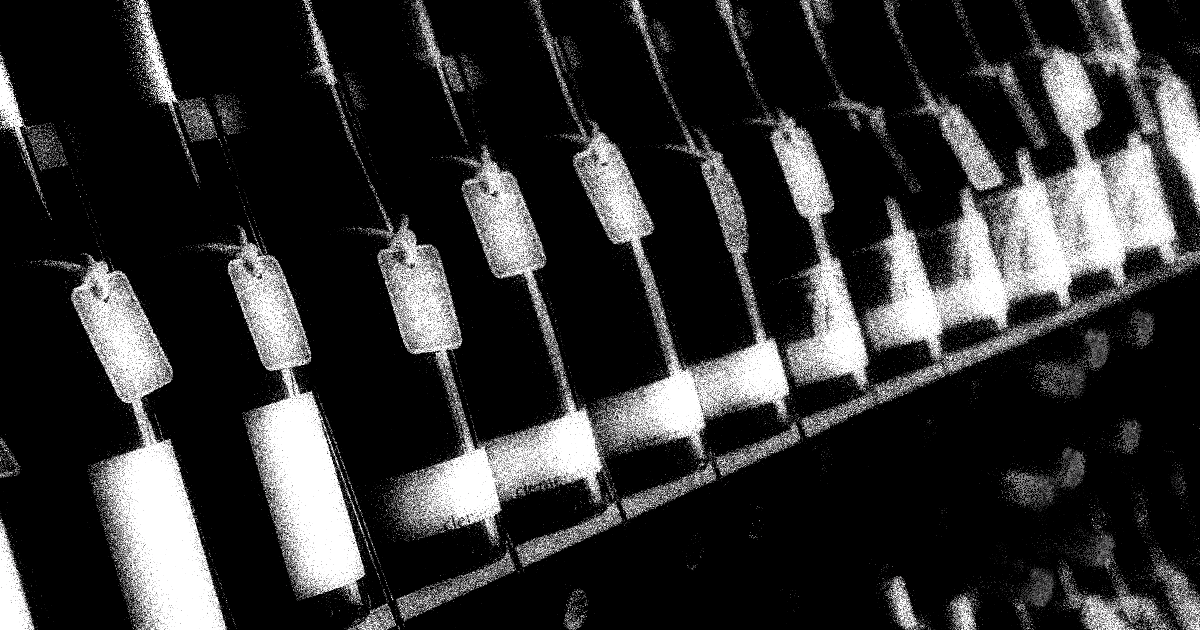
Structural identity logic (after):
Identity reduced to structure, repetition, and material logic.
Structural identity logic (after):
Identity reduced to structure, repetition, and material logic.
Structural Typography
Structural Typography
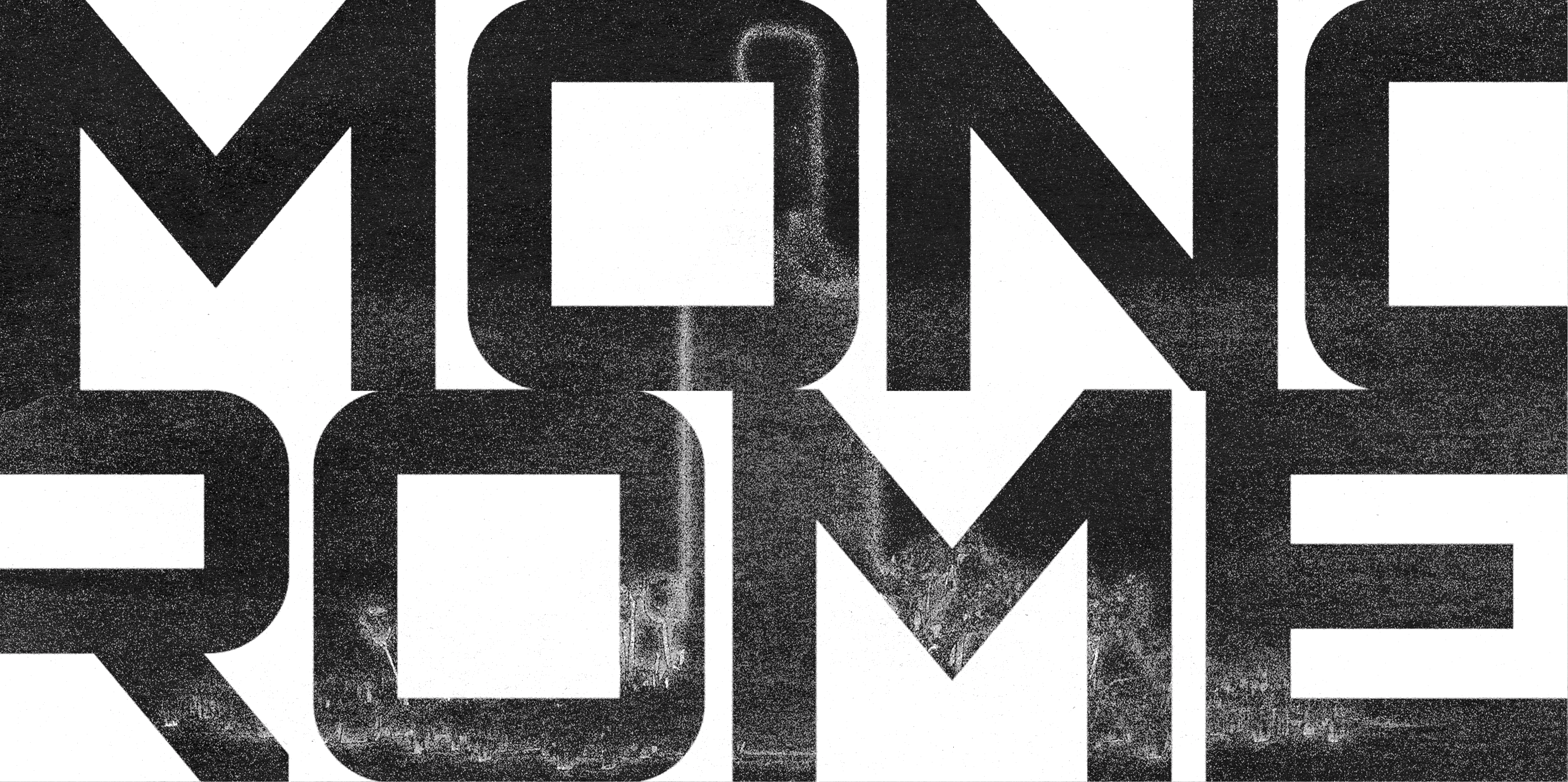
Typography is treated as load-bearing structure. Letterforms follow grid logic, compression rules, and spatial alignment derived from architectural plans. Scale is used to establish hierarchy, not emphasis. Distortion is the result of system pressure, not stylistic choice.
The typographic field operates as architecture on the page.
Typography is treated as load-bearing structure. Letterforms follow grid logic, compression rules, and spatial alignment derived from architectural plans. Scale is used to establish hierarchy, not emphasis. Distortion is the result of system pressure, not stylistic choice.
The typographic field operates as architecture on the page.
Structural System
Multi-Axis Study
Digital Translation
Digital Translation
The website interface mirrors the physical system. Frames, hover states, and occlusions reflect architectural separation and material opacity. Interaction reveals information gradually, reinforcing restraint and control. Absence is used deliberately to prevent visual overload.
The digital layer is not a presentation—it is another production space.
The website interface mirrors the physical system. Frames, hover states, and occlusions reflect architectural separation and material opacity. Interaction reveals information gradually, reinforcing restraint and control. Absence is used deliberately to prevent visual overload.
The digital layer is not a presentation—it is another production space.
Monochrome - Urban Vineyard
Concept
Monochrome Store
Concept
Monochrome Winery
Concept - Inside
Tank Hall
Concept
Bottle Design
Orange, Red, White
Limited Edition
Collectors Item
workwear jacket
Before
workwear jacket
After
workwear pants
Before
workwear pants
After
Monochrome - Urban Vineyard
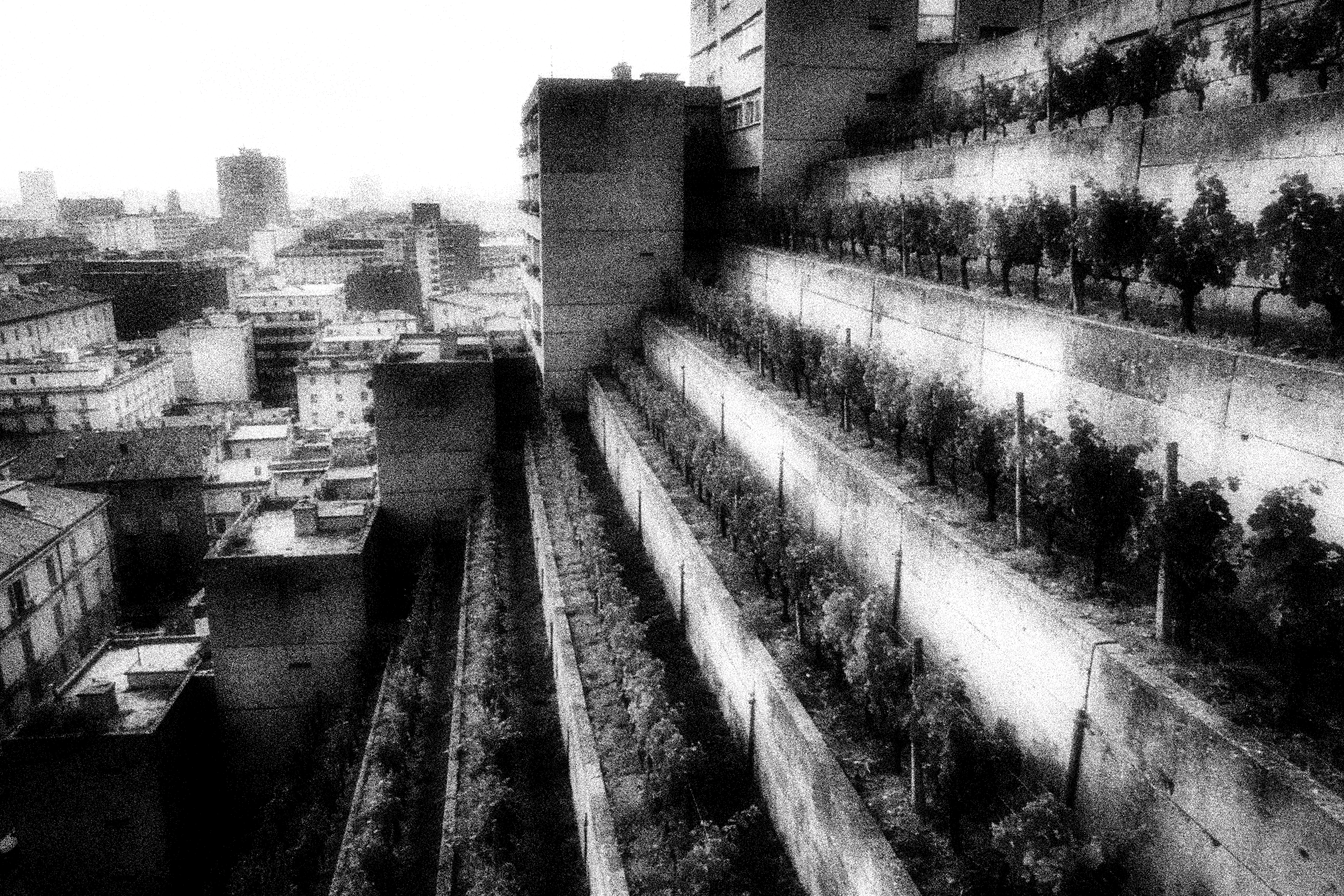
The vineyard is translated into a terraced, industrial structure embedded within the city. Rows of vines are treated as modular units, aligned to architectural logic rather than terrain. The image documents this shift from landscape to system: cultivation becomes construction, growth becomes repetition. This frame establishes the vineyard as infrastructure.
MONOCHROME STORE — CONCEPT
The store is conceived as an extension of the cellar, not a commercial showroom. Bottles are treated as stored units, not hero objects. The exaggerated bottle-as-architecture form removes intimacy and replaces it with scale distortion and abstraction. Purpose in system - Retail without seduction - Storage logic over display logic - Product as inventory, not icon.
Monochrome Winery
Across architecture, bottles, and garments, the same principles apply: No symbolic graphics No illustrative storytelling No artificial aging Only: Pressure Repetition Residue Duration The system treats wear as authorship. These images show production as the visual and conceptual core of the identity.
Production as Architecture - Tank Hall
Fermentation tanks, corridors, and circulation paths are presented as architectural elements rather than hidden production zones. Stainless steel, concrete, and glass are used without decorative mediation. Transparency and opacity are applied functionally—to separate, not to stage. These images show production as the visual and conceptual core of the identity.
Bottle Design
The bottle design removes narrative cues and heritage references. Color is reduced to functional differentiation. Labels operate as information carriers, not storytelling devices. The bottle is positioned as an industrial container within a larger system, consistent with the architectural and typographic logic. Variation exists only where function requires it.
LIMITED EDITION — COLLECTORS ITEM
The limited edition bottle is not defined by rarity graphics or ornament. Its value emerges from material tension: glass density, internal reflections, surface damage, and optical distortion. The bottle carries traces of handling, storage, and time — not branding. Purpose in system - Object as artifact - Permanence through material, not messaging - Collectibility via physical presence.
WORKWEAR — JACKET (BEFORE)
The jacket originates as a neutral work garment. Over more than a decade of vineyard labor, it accumulates stains, abrasions, and tonal shifts caused by: Grape juice Fermentation residue Dirt, pressure, repeated motion Leather is retained deliberately to introduce urban material language into agricultural labor.
WORKWEAR — JACKET (AFTER)
The “after” state is not styled — it is documented. Purpose in system: Wear as visual data Labor replacing decoration Authentic aging as surface logic.
WORKWEAR — PANTS (BEFORE)
The pants show a clearer transformation due to repeated contact with grapes, soil, moisture, and concrete floors. Stains are localized around knees, thighs, and hems — areas of functional stress.
WORKWEAR — PANTS (AFTER)
Purpose in system: Time embedded into fabric. Use as design input. Clothing as record, not fashion.
Logic
• Typography replaces illustration as primary carrier of identity
• Grid defines rhythm, not layout decoration
• Repetition builds recognition instead of logo emphasis
• Material texture supports structure without becoming narrative
• Reduction used as differentiation, not minimalism as style
Typography replaces illustration as primary carrier of identity - Grid defines rhythm, not layout decoration - Repetition builds recognition instead of logo emphasis - Material texture supports structure without becoming narrative - Reduction used as differentiation, not minimalism as style
System Overview
A closed system: every application is a consequence of the same rules.
Implementation
The system was designed to remain stable under variation. Label formats, bottle sizes, background shifts, and digital environments were treated as stress tests rather than special cases. No additional graphic elements were introduced at any stage; variation emerges solely through scale, repetition, and material behavior.
Role
Concept & positioning
Identity system design
Typographic framework
Art direction
Digital translation
Concept & positioning
Identity system design
Typographic framework
Art direction
Digital translation

Outcome
MONOCHROME — Urban Vineyard demonstrates identity emerging from constraint rather than expression. Coherence is achieved through logic, not narrative.